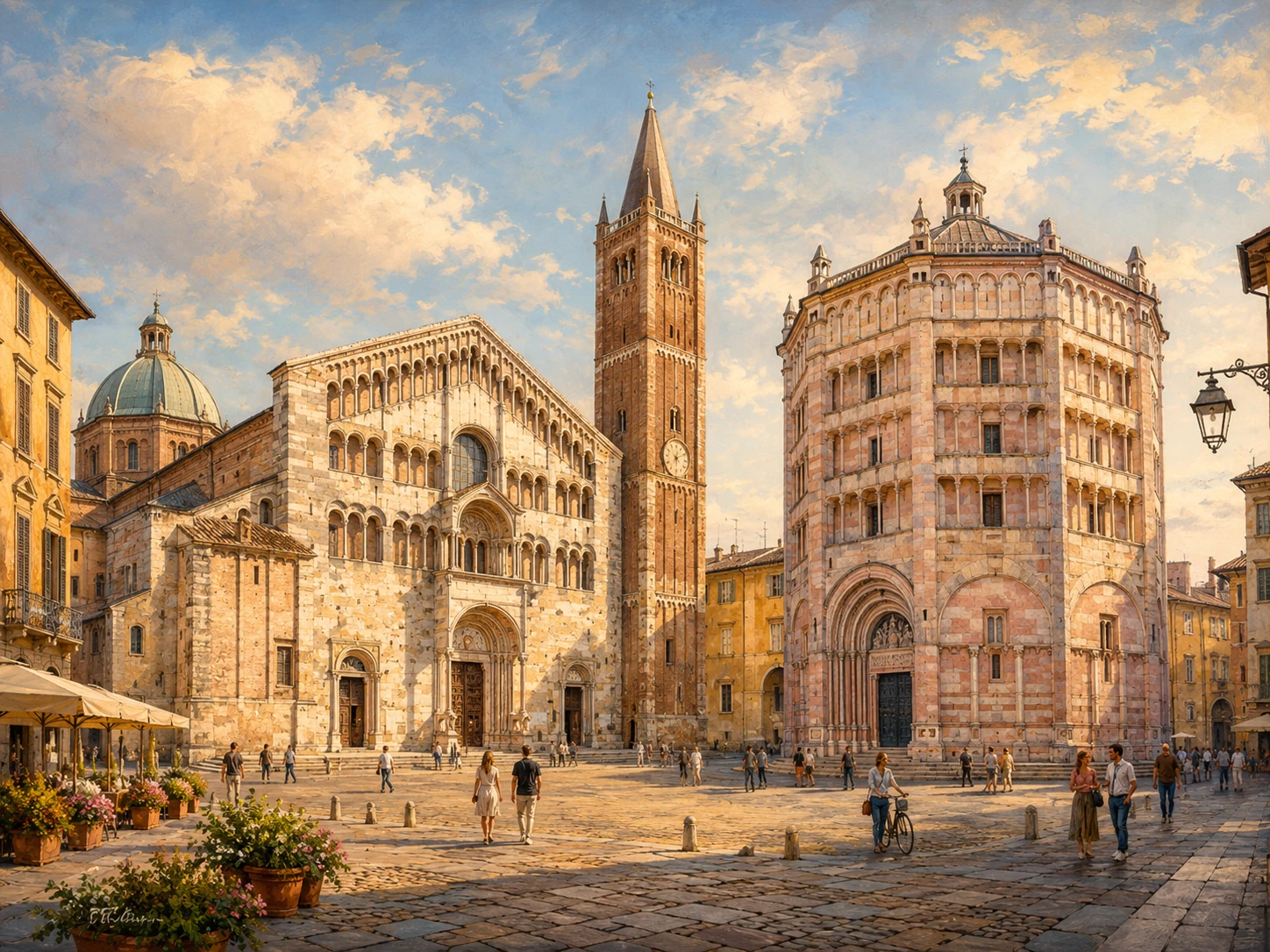
Parma Cathedral & Baptistery
Parma's cathedral square brings together a Romanesque cathedral, its tall bell tower, and Benedetto Antelami's extraordinary pink-marble Baptistery.
ITALY CITY GUIDE
Romanesque beauty. Operatic soul. Flavors known around the world.
Parma combines an elegant historic center, remarkable churches and frescoes, celebrated opera traditions, peaceful streets, and some of Italy's most famous food experiences. This guide helps you balance the city's art and architecture with local markets, producer visits, and a relaxed trip into the Emilian countryside.
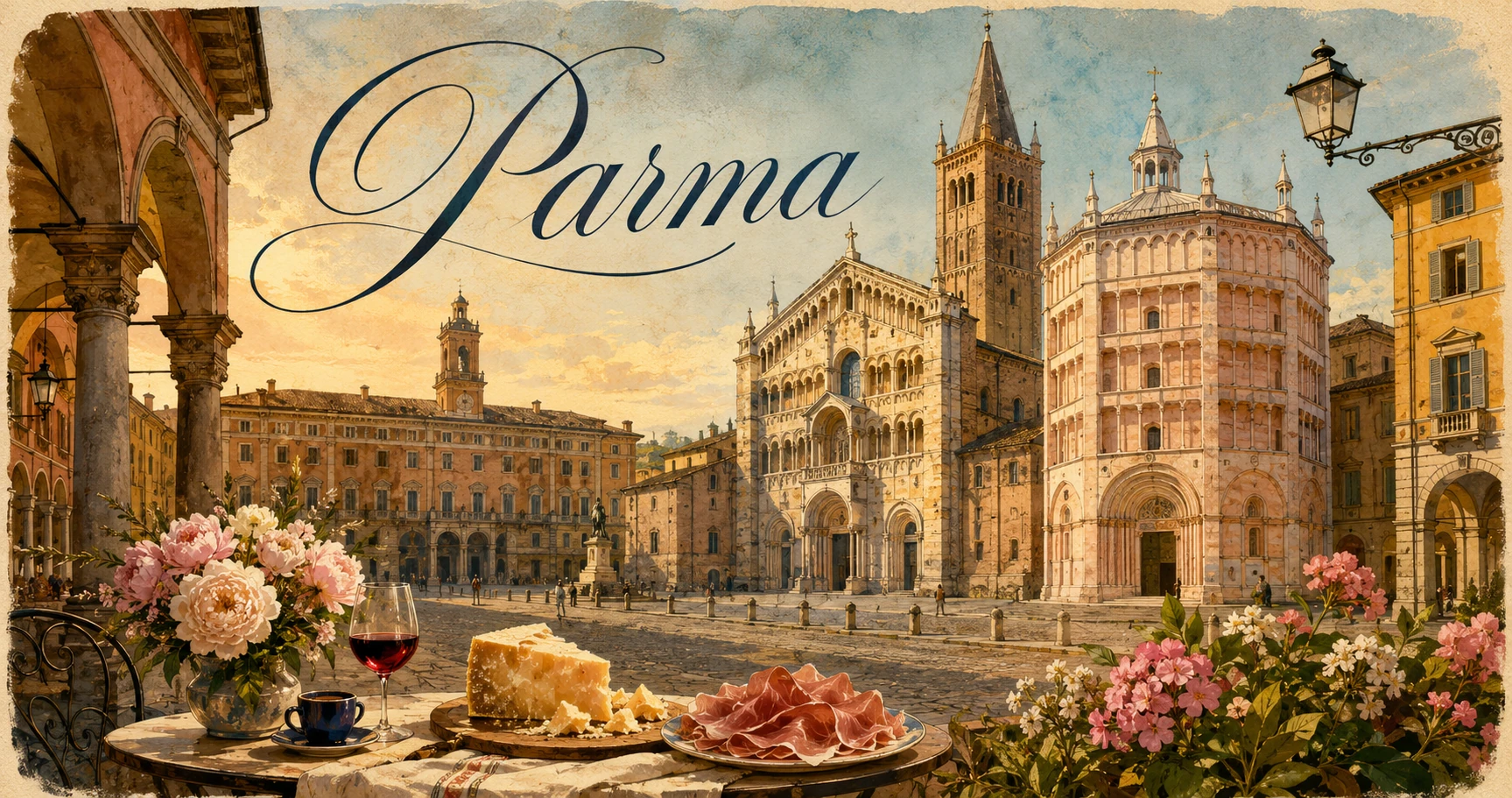
Six Parma highlights worth building your first itinerary around.
Parma's cathedral square brings together a Romanesque cathedral, its tall bell tower, and Benedetto Antelami's extraordinary pink-marble Baptistery.
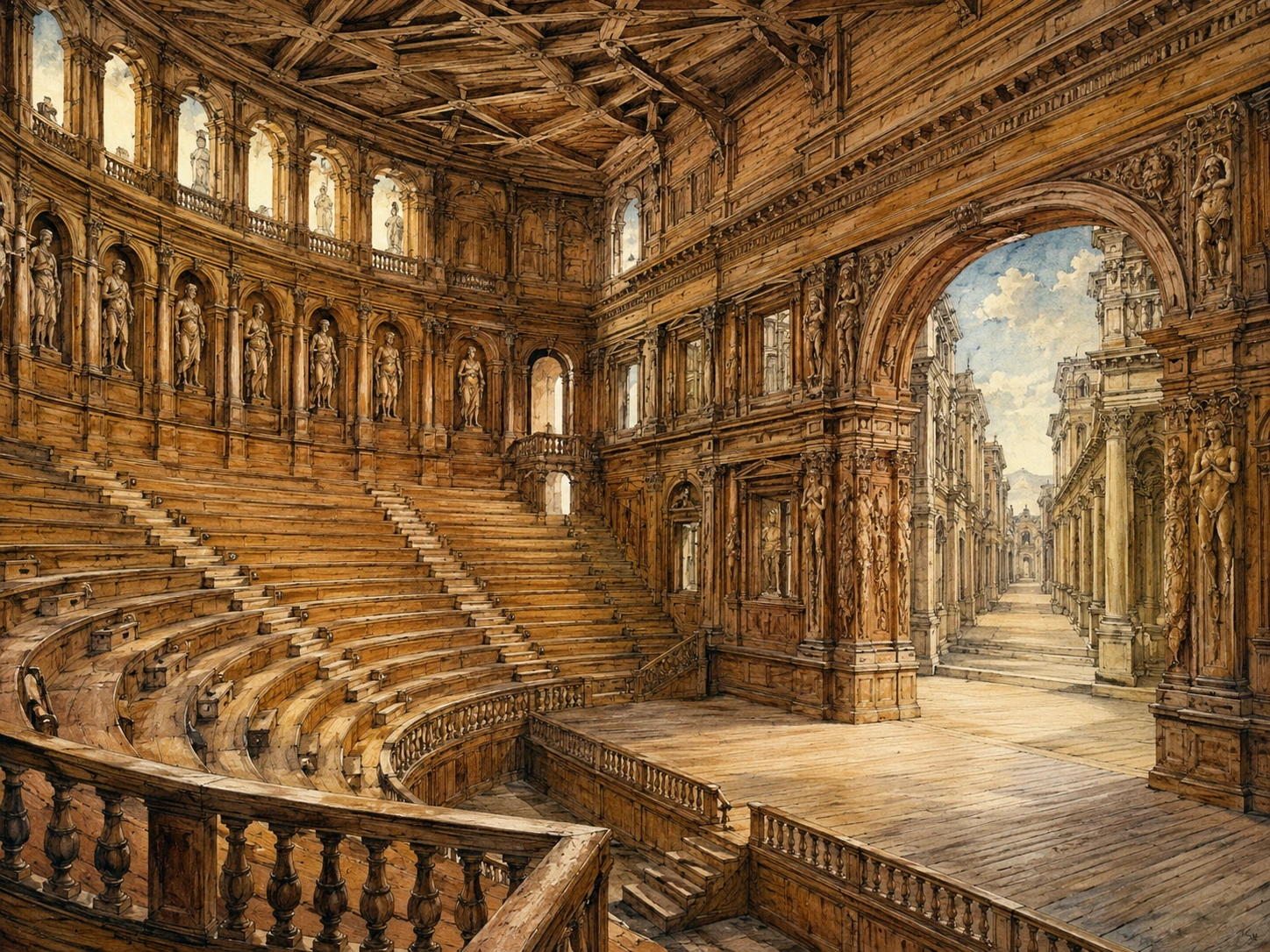
A monumental wooden theater inside Palazzo della Pilotta, reconstructed after wartime destruction and unlike any other theater in Italy.
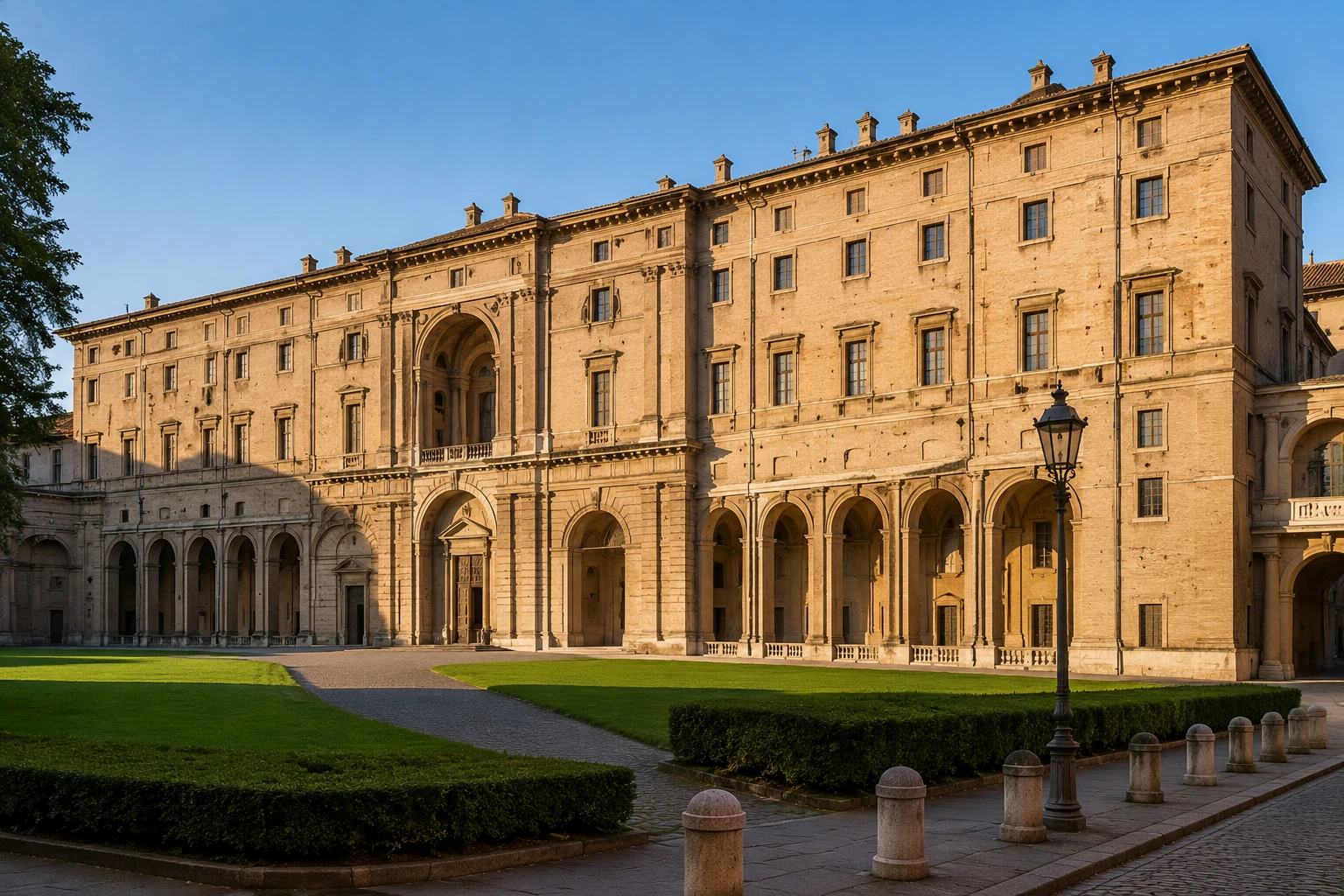
A vast palace complex containing Teatro Farnese, the National Gallery, archaeological collections, and historic courtyards.
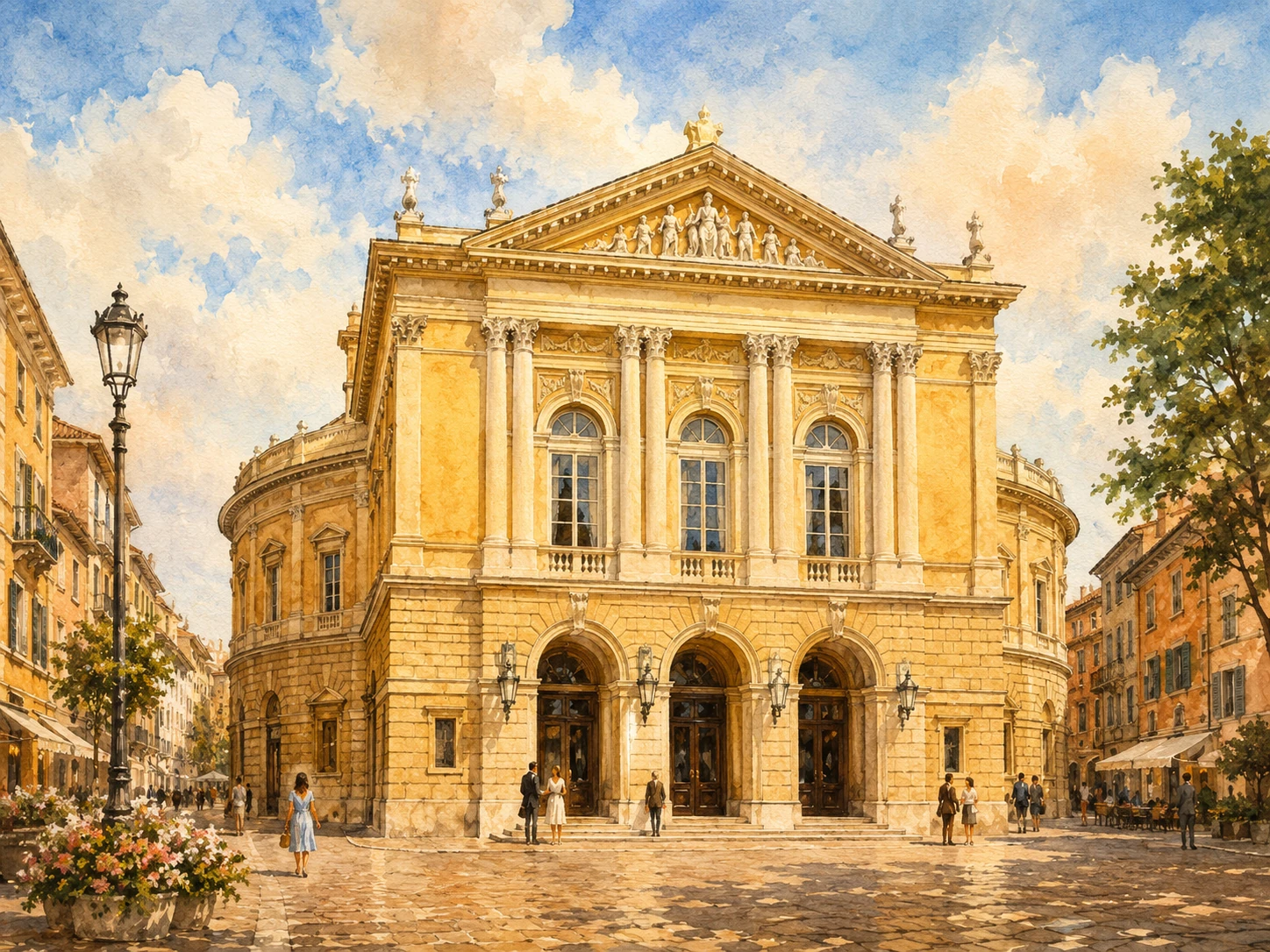
One of Italy's most respected opera houses, closely connected to Verdi, local musical identity, and an intensely passionate audience.
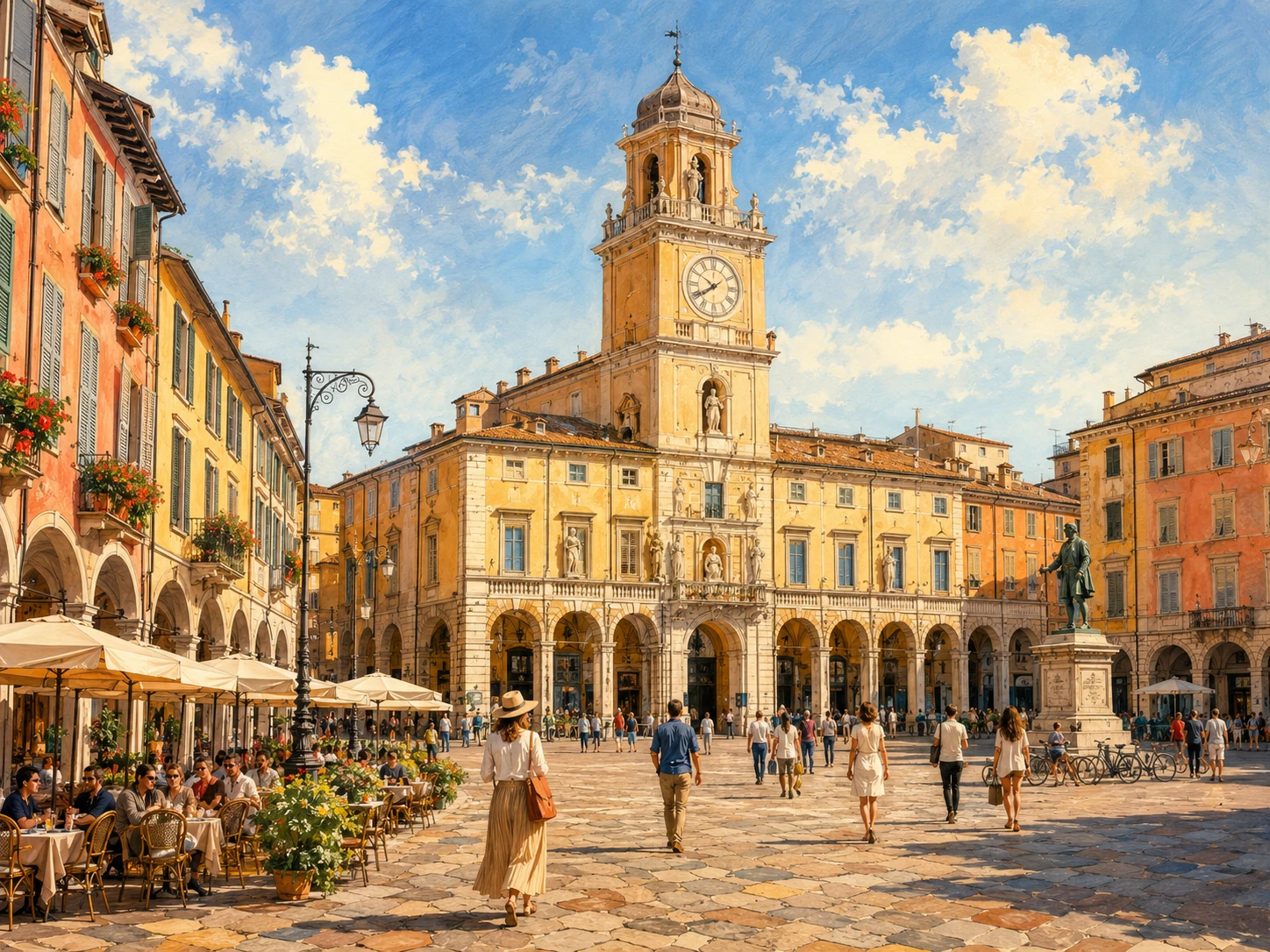
Parma's central square is framed by historic civic buildings, cafes, arcades, shops, and everyday city life.
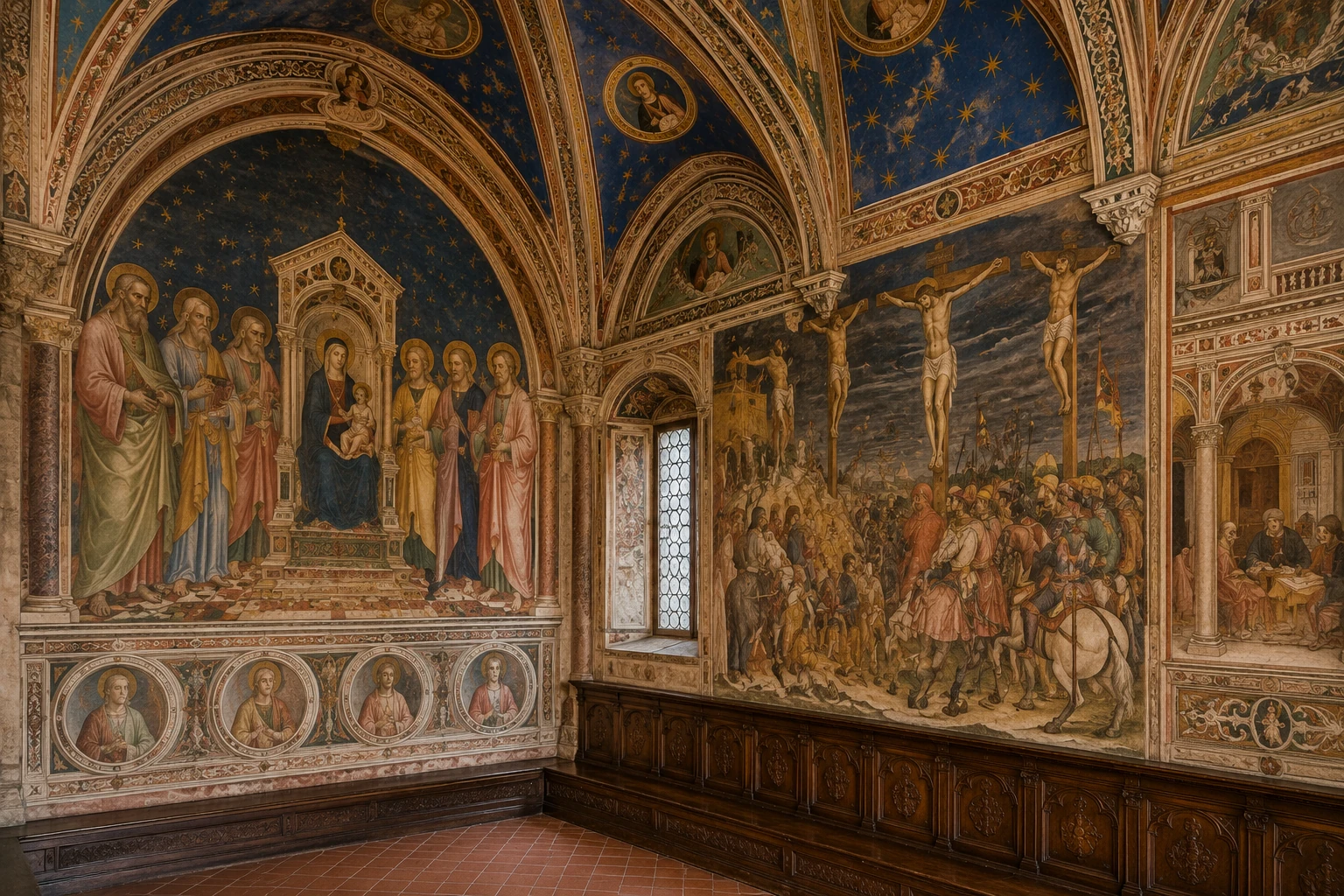
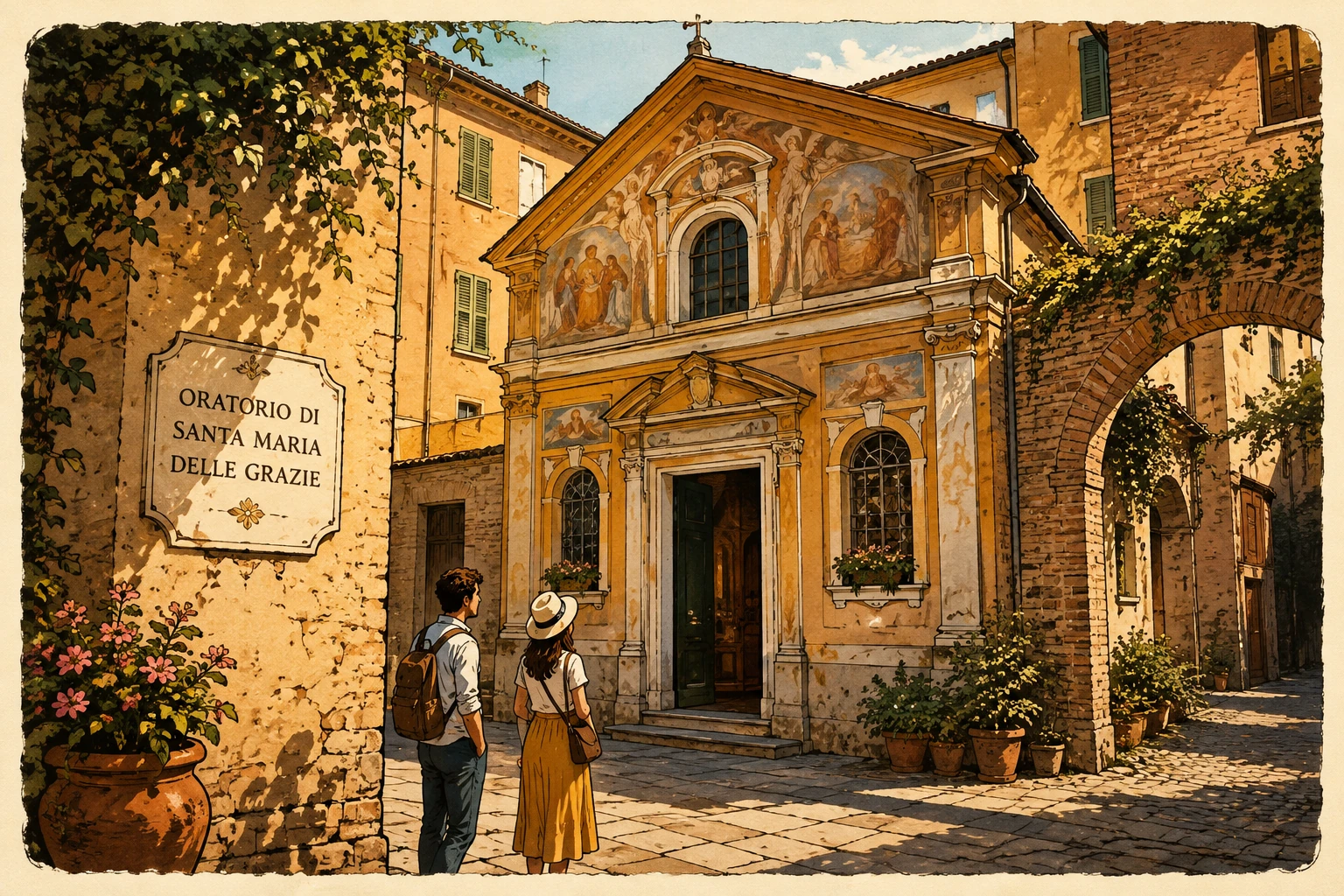
A former convent room transformed by Correggio's illusionistic Renaissance frescoes and one of Parma's most refined artistic interiors.
Local tip: Pair the cathedral square with Palazzo della Pilotta, then leave slower time for food and opera culture.
Set up the practical essentials first — connectivity and flight options — then spend your time on Parma itself.
CONNECTIVITY
Set up mobile data before arrival for maps, restaurant bookings, museum schedules, and rail updates.
GETTING THERE
Compare connections to Parma and useful nearby gateways such as Bologna or Milan before choosing your rail connection.
EXPERIENCES
Compare popular tours, tickets and experiences for your trip.
Four practical routes for Parma's monuments, art, opera, markets, and countryside castles.
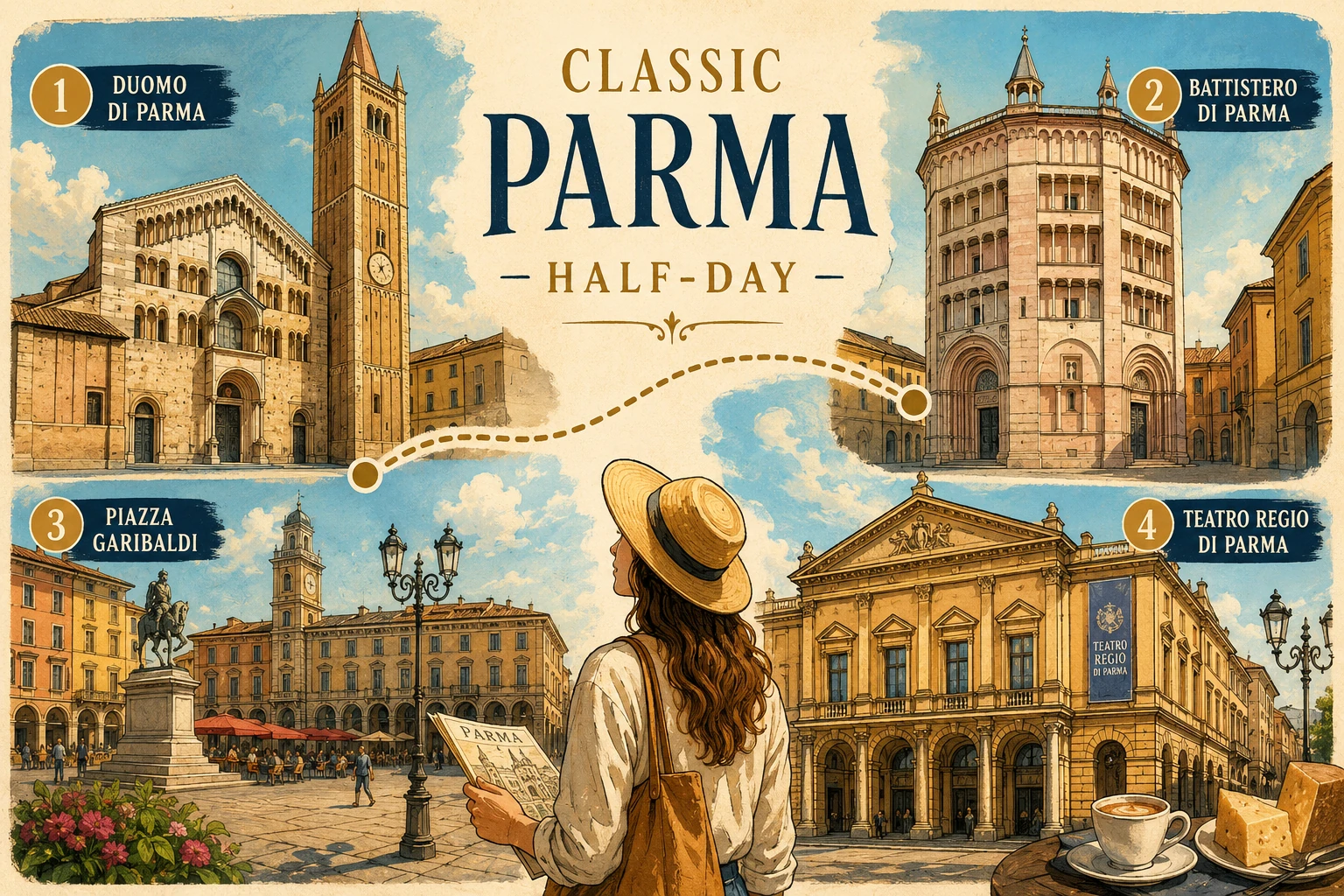
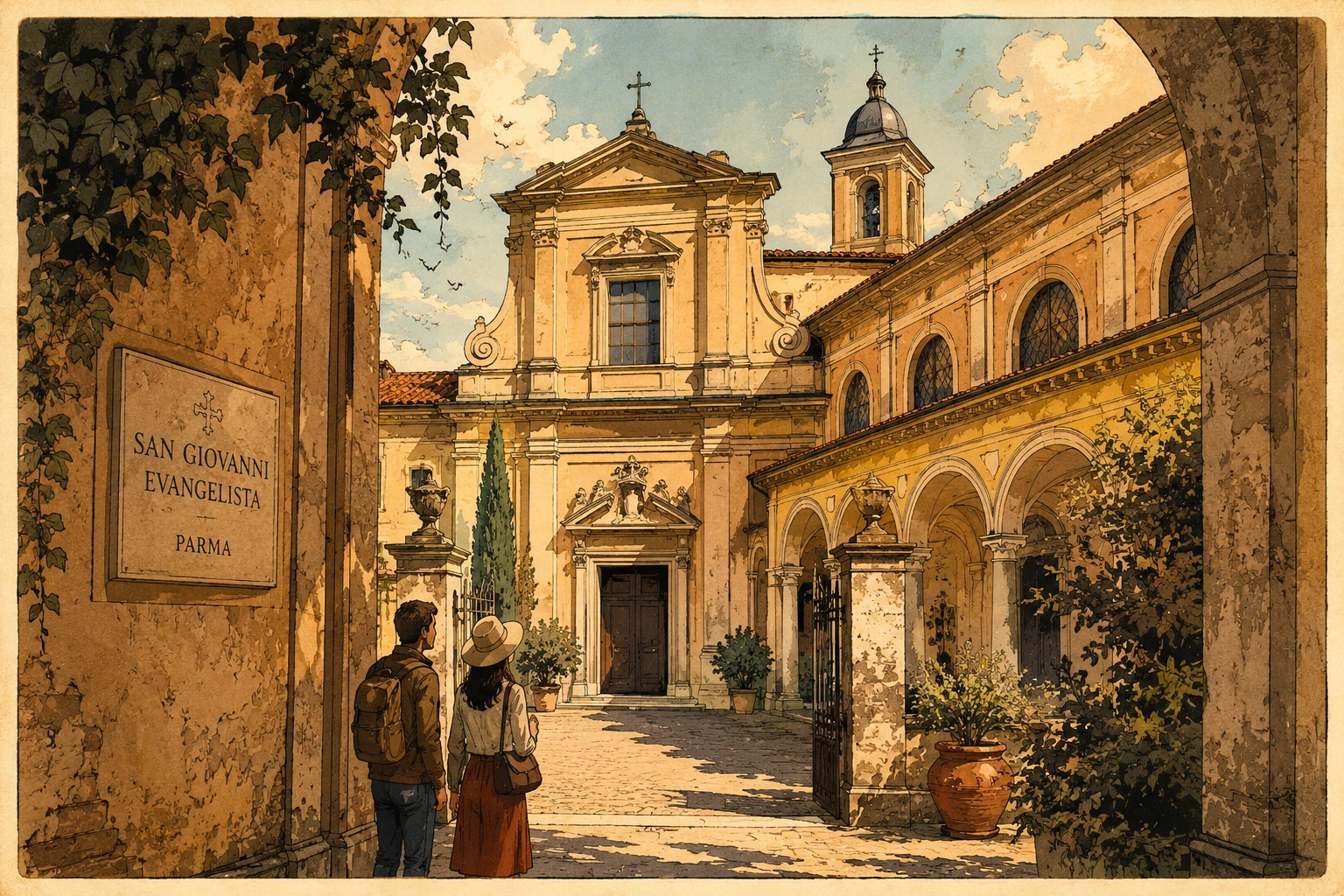
Piazza Garibaldi -> Parma Cathedral -> Baptistery -> San Giovanni Evangelista -> Palazzo della Pilotta
Best for: First-time visitors with limited time
Time: 4-5 h
Do not miss: The cathedral dome and Teatro Farnese
Plan classic Parma route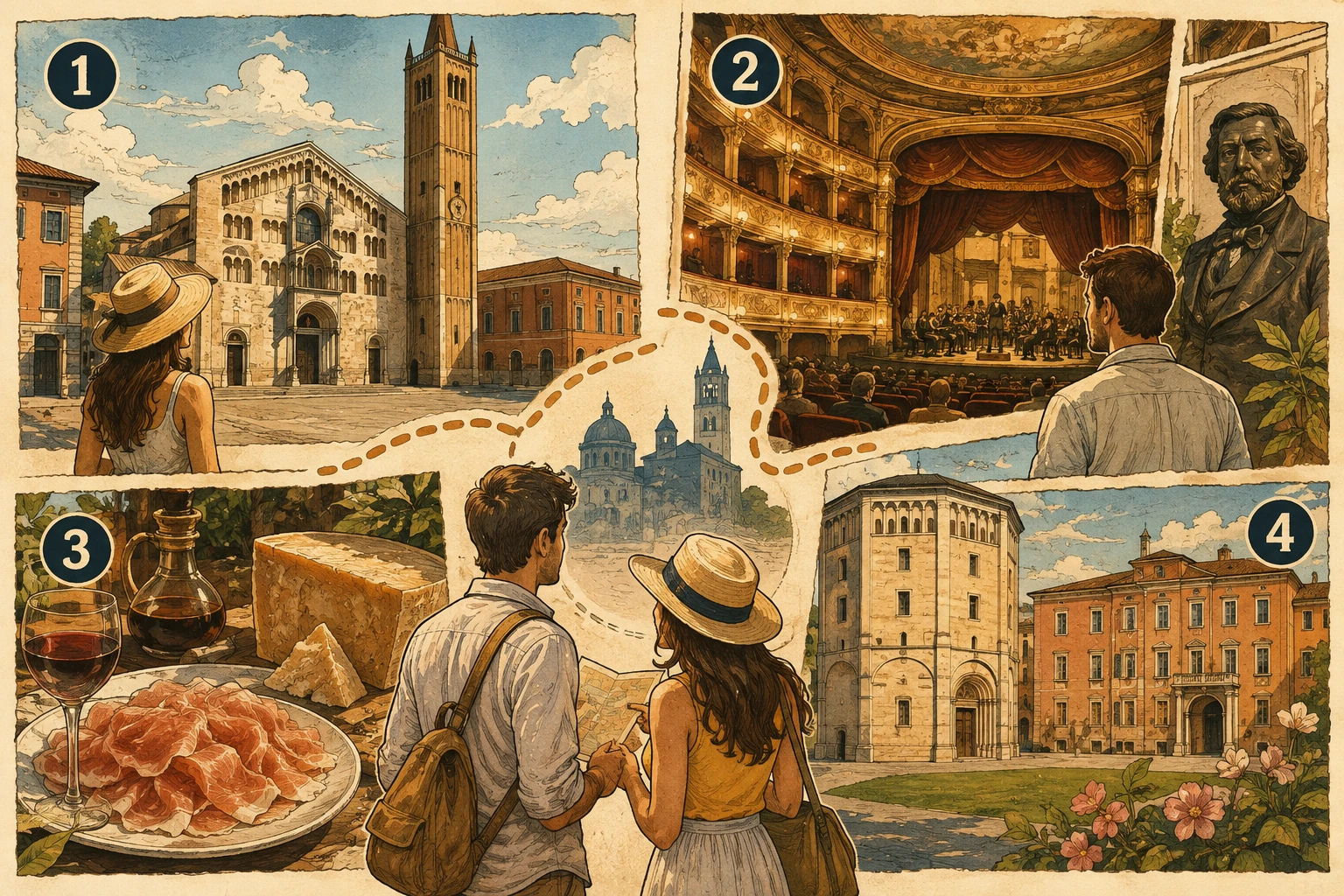
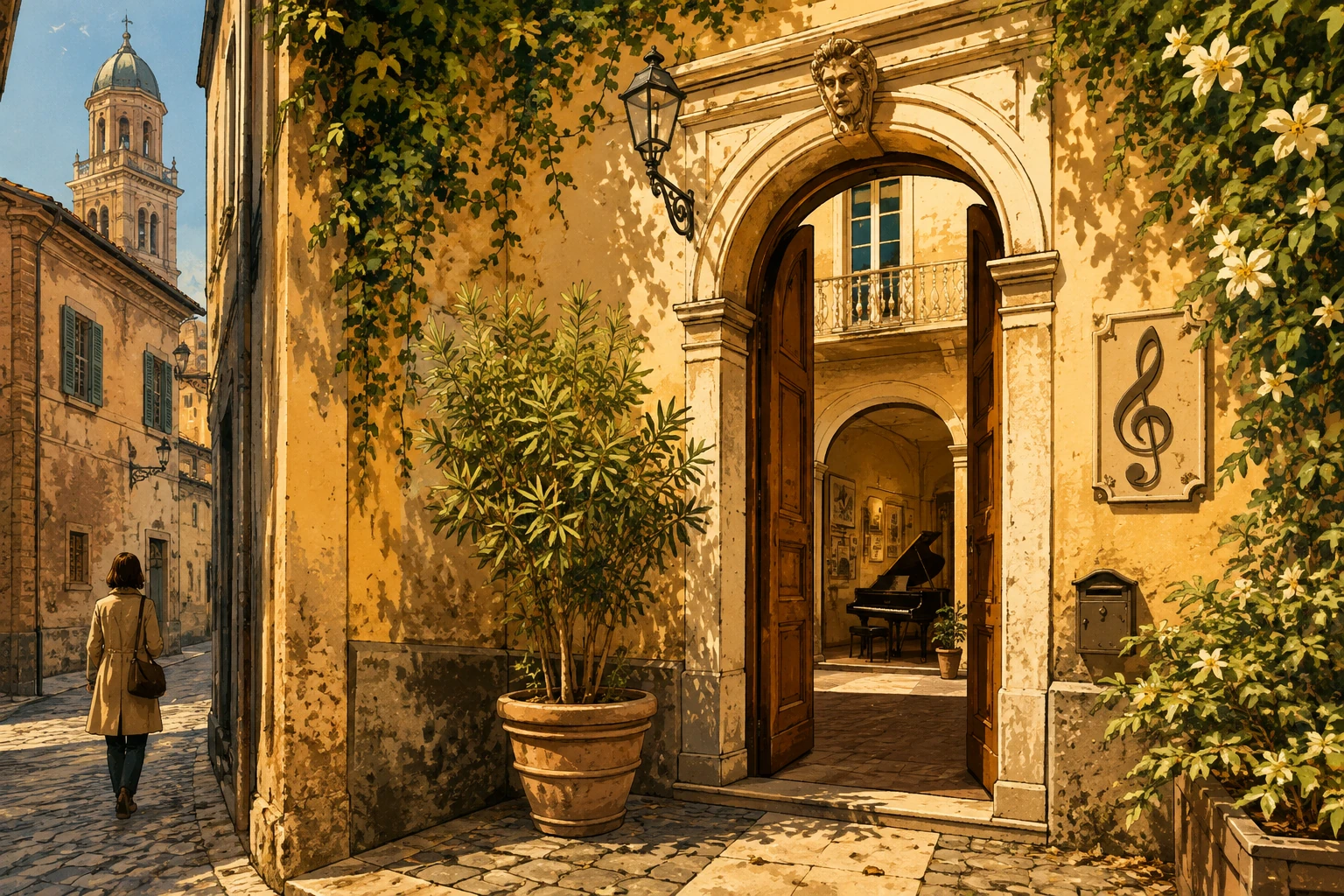
Camera di San Paolo -> National Gallery -> Teatro Farnese -> Teatro Regio -> Casa della Musica
Best for: Art, music, theater, and Renaissance interiors
Time: Full day
Do not miss: A guided Teatro Regio visit or evening performance
Plan art and opera route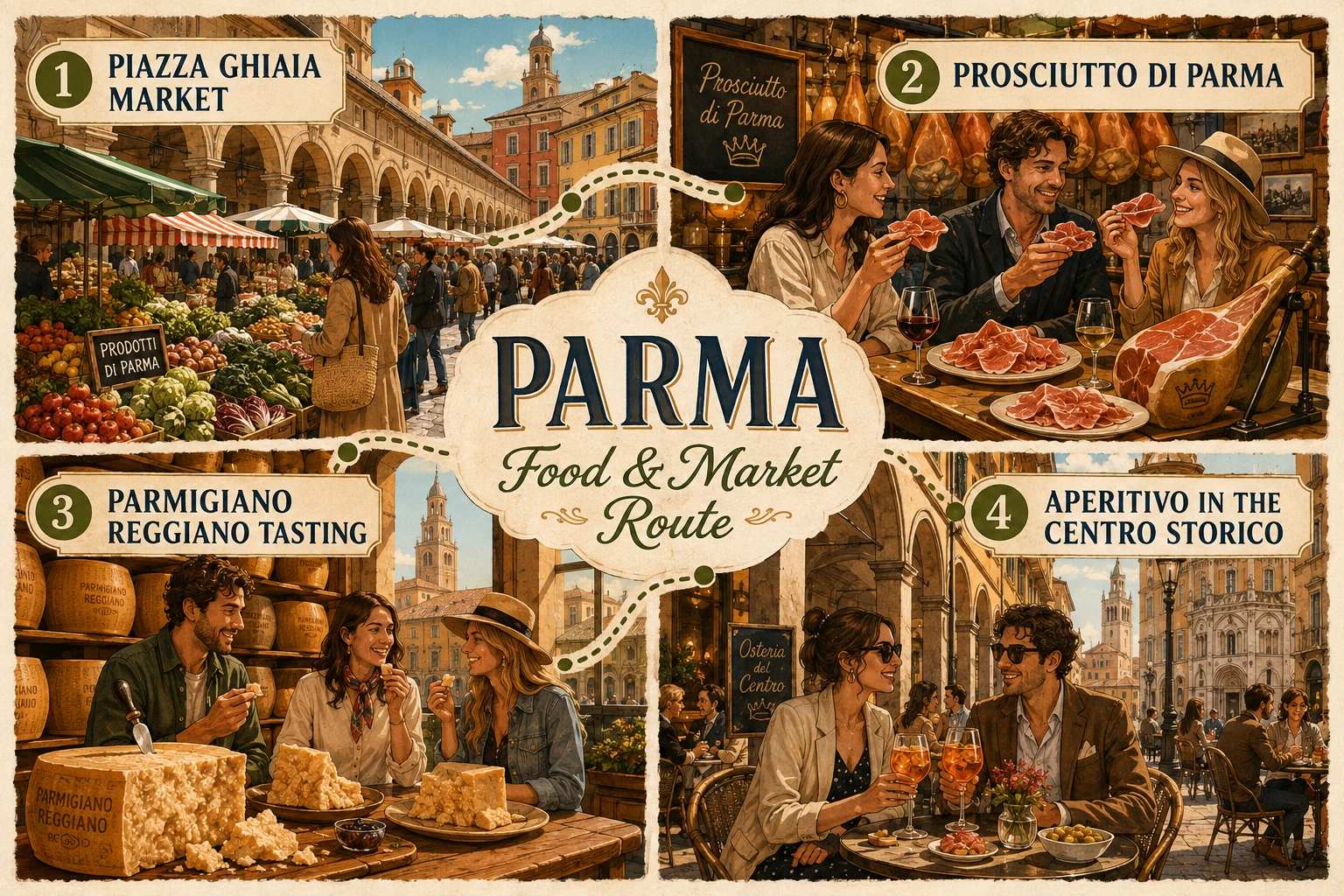
Piazza Garibaldi -> local market -> delicatessen -> pasta lunch -> cheese and prosciutto tasting
Best for: Food lovers and a slower city day
Time: 3-5 h
Do not miss: Parmigiano Reggiano and Prosciutto di Parma from specialist shops
Plan Parma food route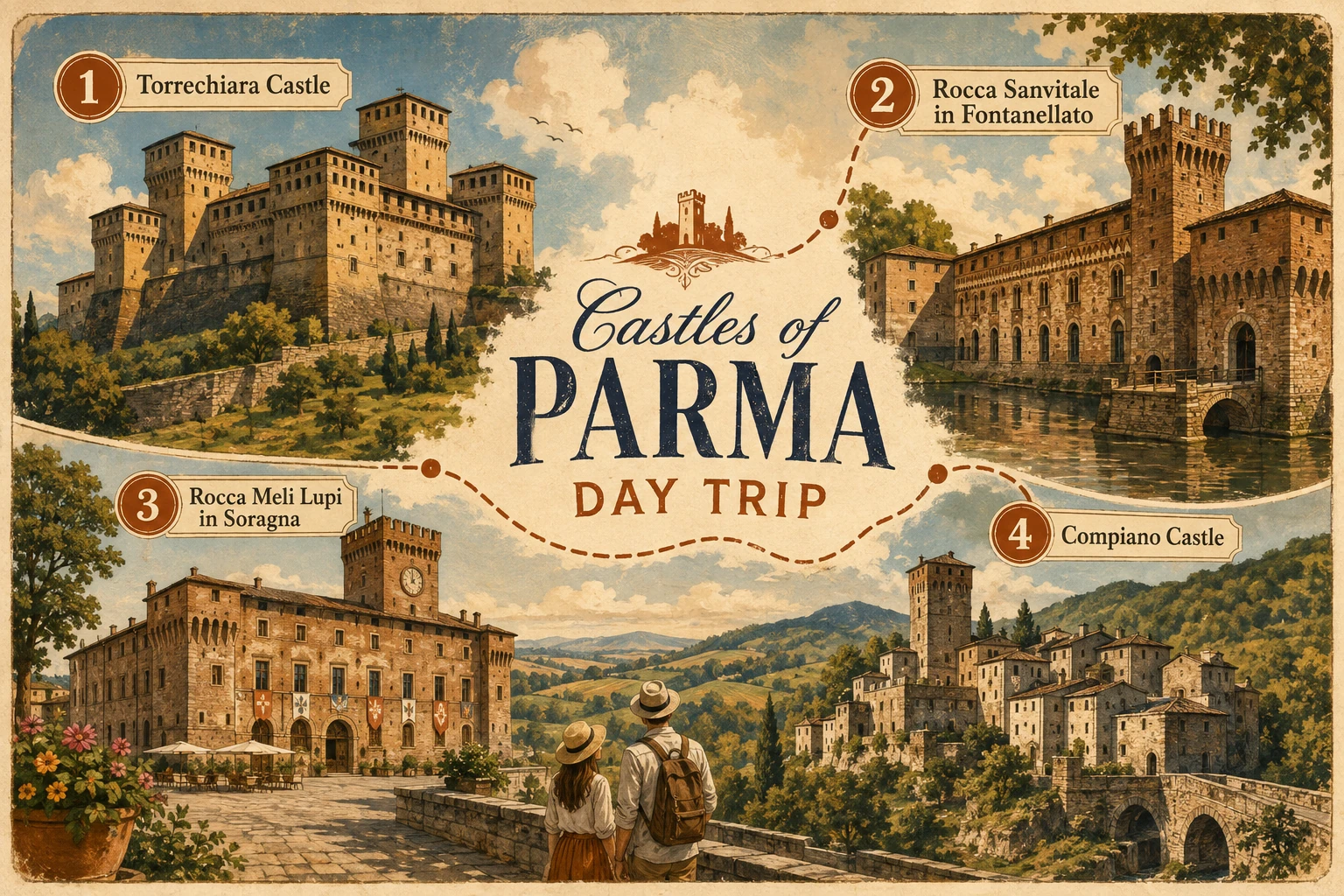
Parma -> Torrechiara Castle -> Fontanellato or another selected countryside castle -> Parma
Best for: Medieval architecture and countryside scenery
Time: Full day
Do not miss: Torrechiara Castle and the surrounding hills
Plan castle day tripExperience Parma through walking tours, producer visits, opera, food traditions, and countryside escapes.
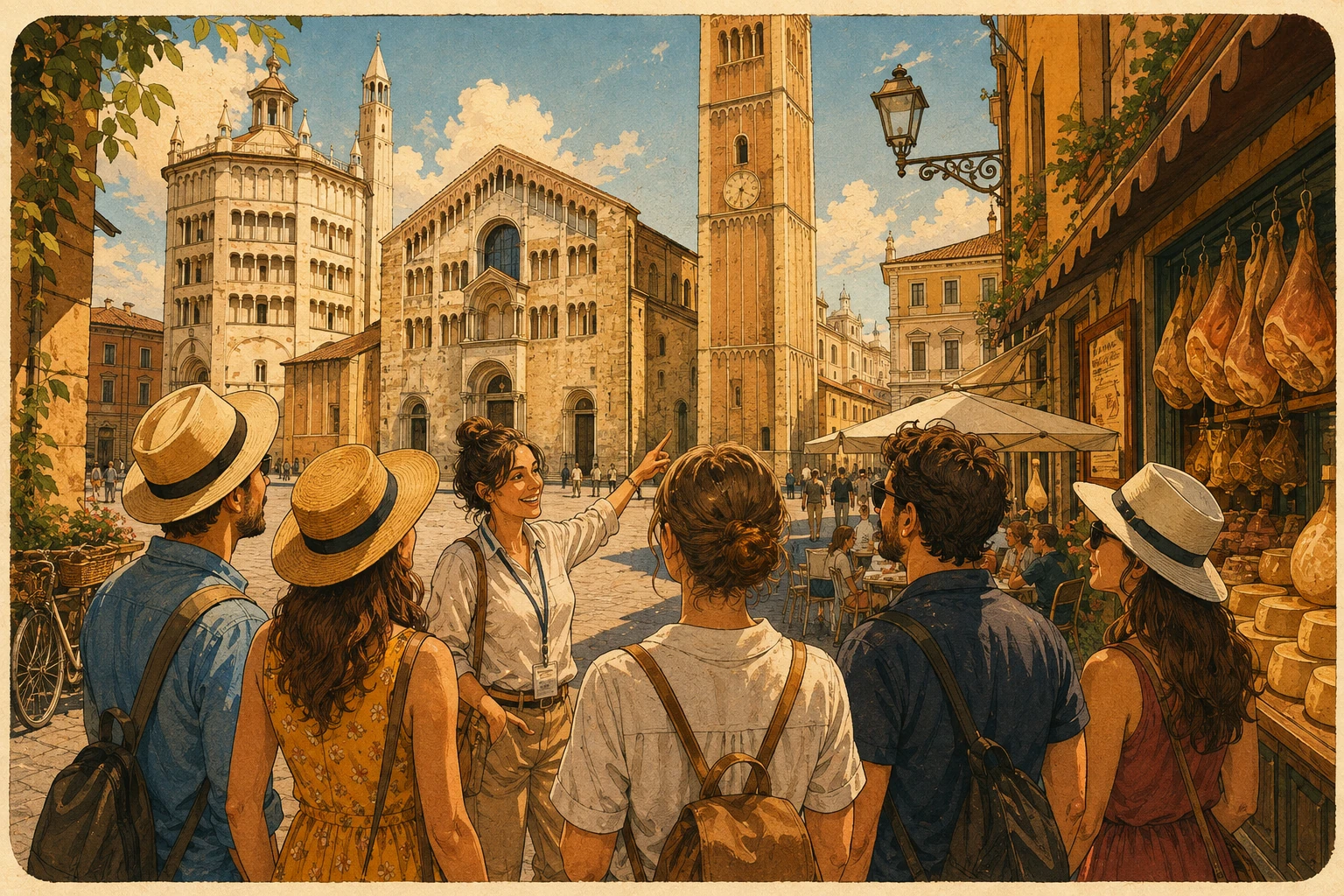
Explore the cathedral district, major squares, Teatro Regio, Palazzo della Pilotta, and local stories with a guide.
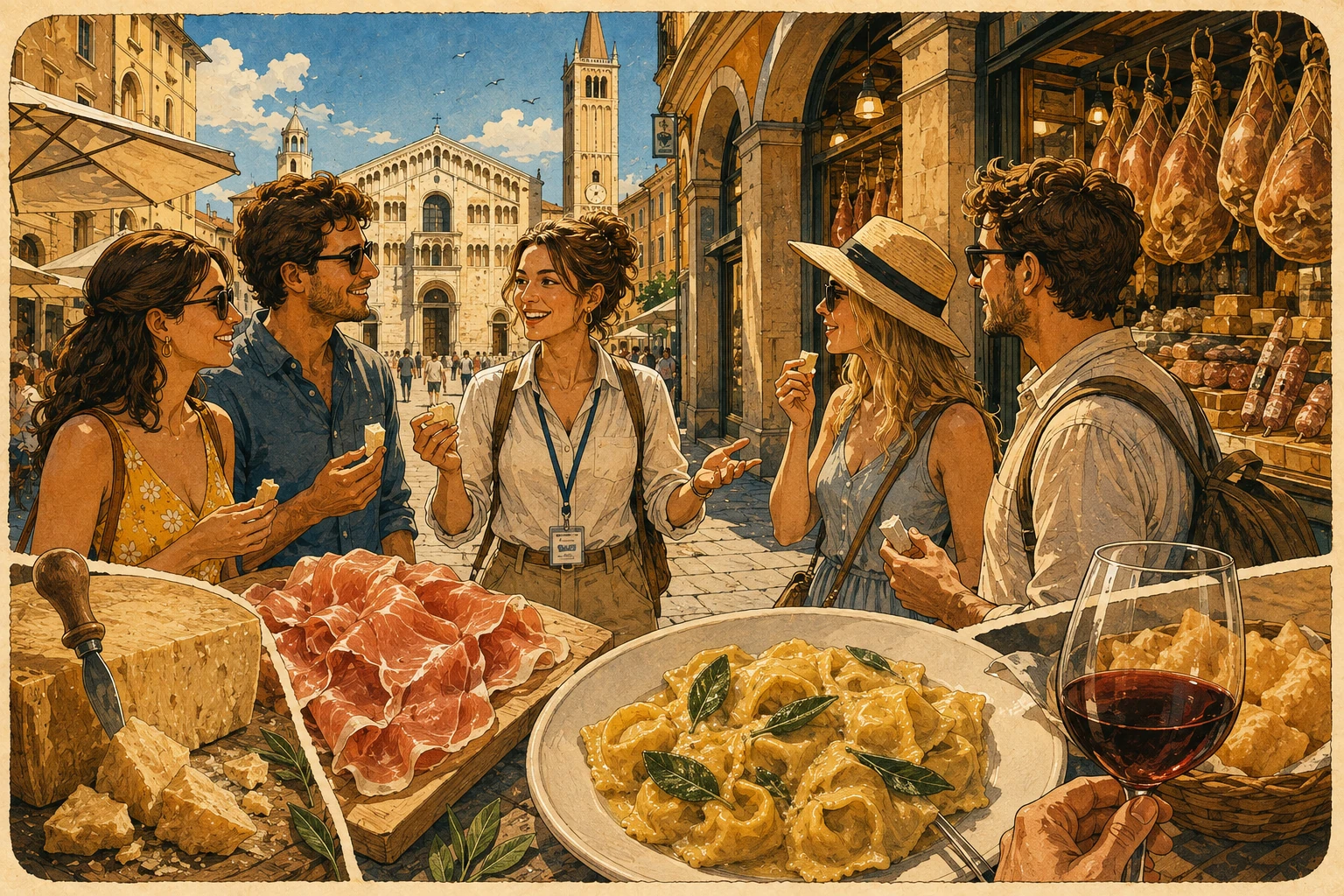
Taste Prosciutto di Parma, Parmigiano Reggiano, fresh pasta, salumi, local wine, and traditional desserts.
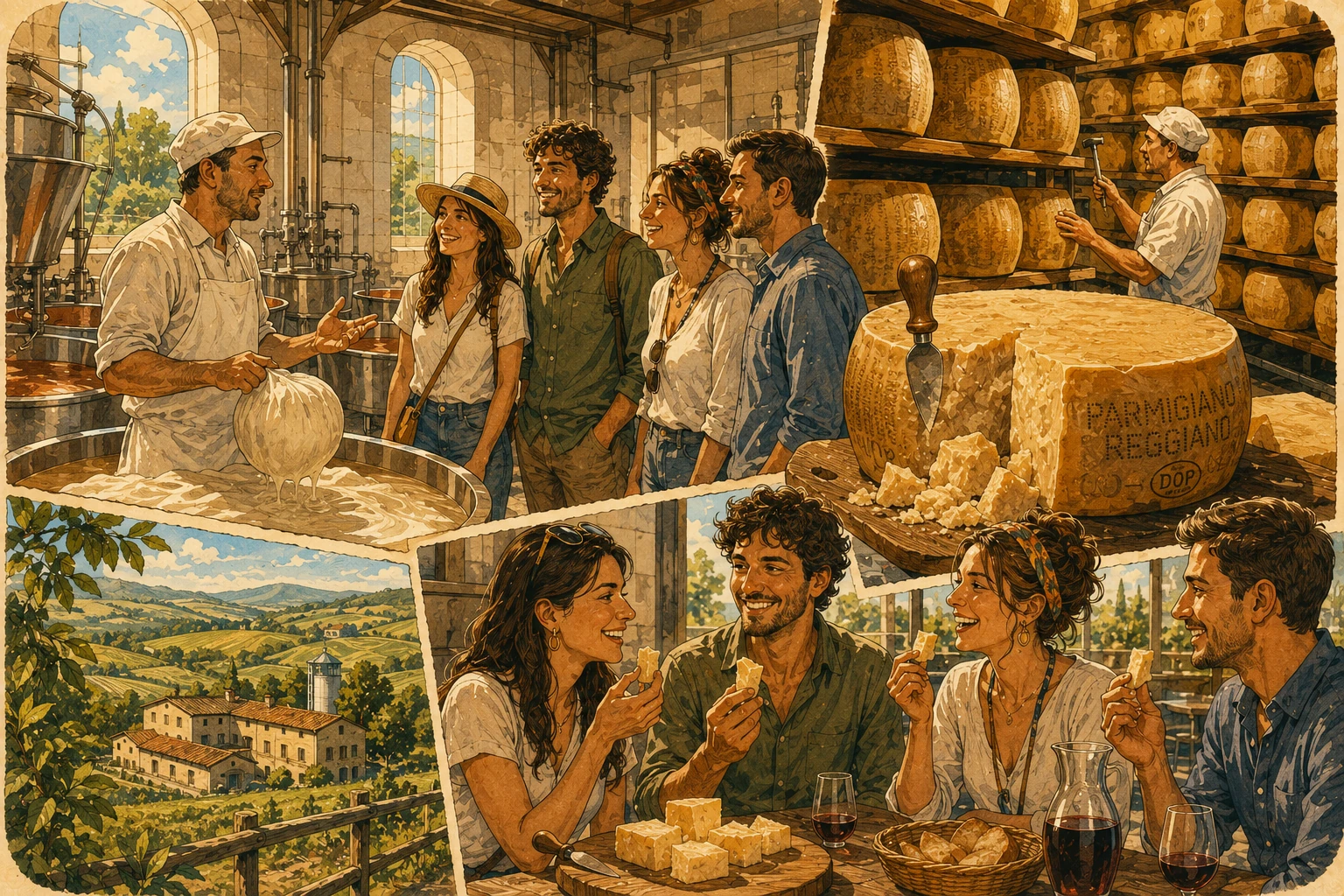
Watch the cheesemaking process, enter the aging rooms, and compare cheeses matured for different lengths of time.
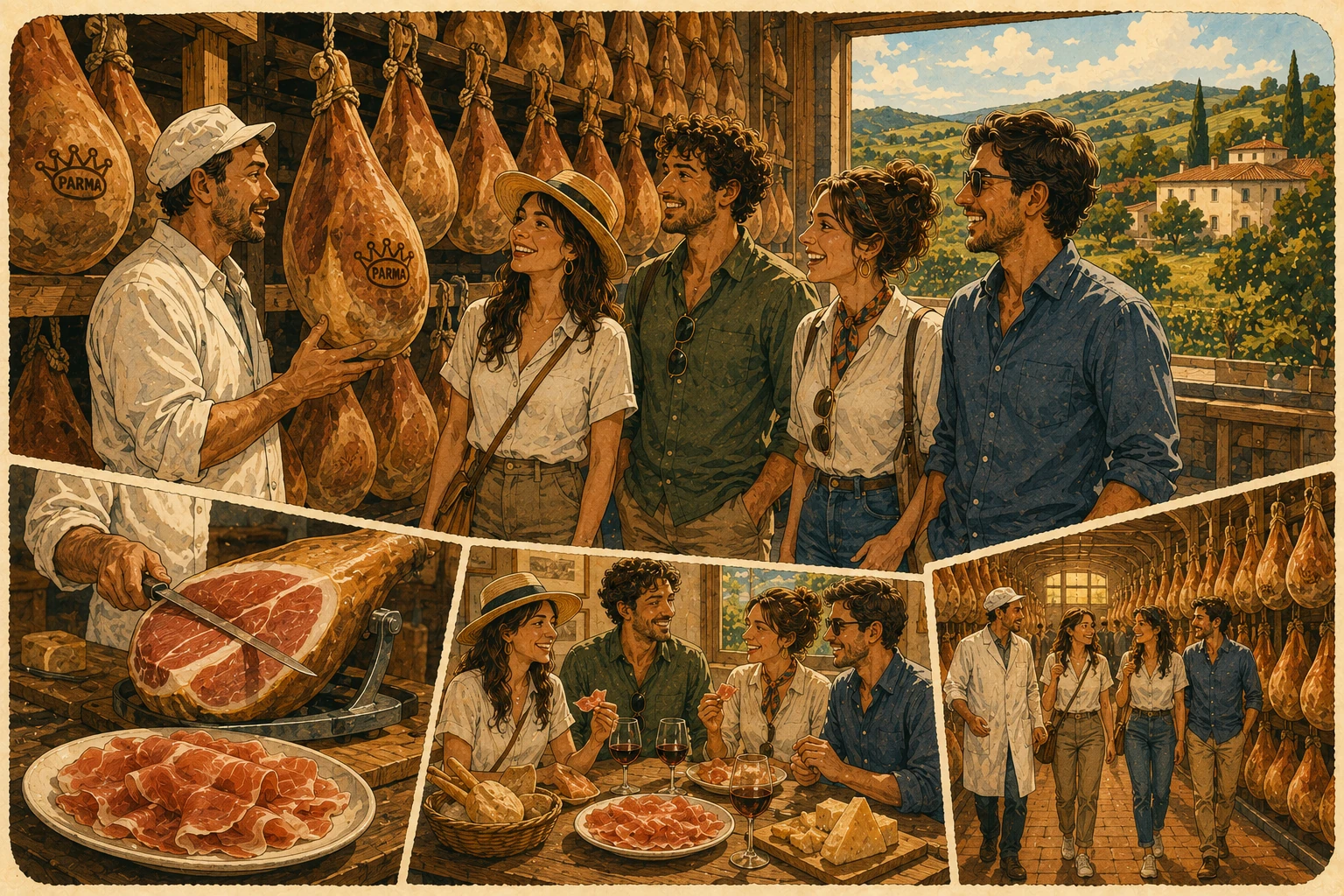
Learn how carefully selected pork legs are salted, cured, aged, inspected, and served according to local tradition.
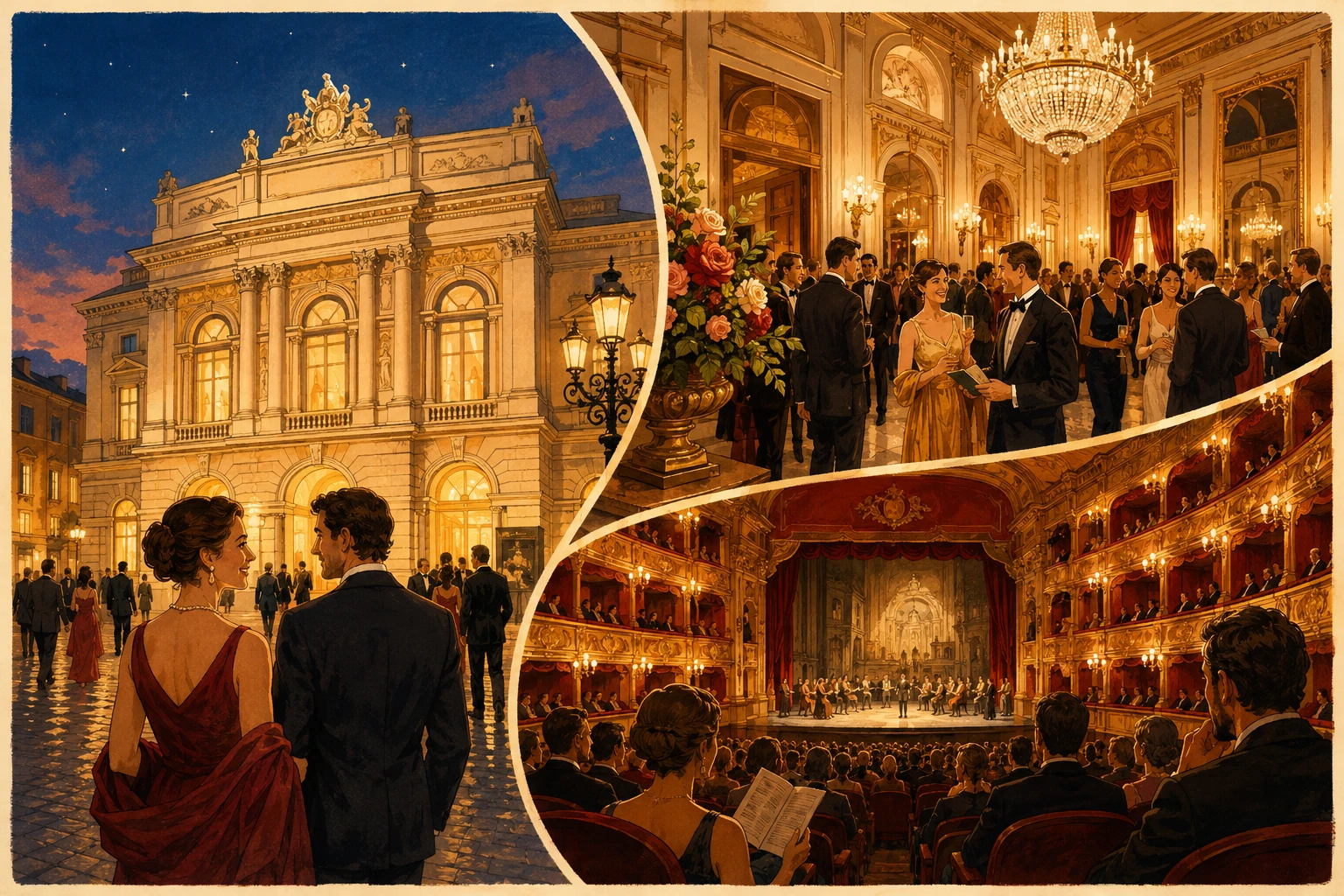
Step inside Parma's celebrated opera house through a guided tour, backstage visit, performance, or festival event.
Combine Torrechiara Castle, cheese production, prosciutto traditions, scenic villages, and a countryside lunch.
Food rhythm: Book producer visits early, eat slowly, and let Parma's quieter streets balance the headline sights.
Choose between historic-center convenience, cathedral atmosphere, museum access, or easy rail connections.
Best for: First-time visitors and major cultural sights
Why stay here: Easy walking access to Piazza Garibaldi, the cathedral, Baptistery, Teatro Regio, restaurants, and shops.
Downside: Central hotels can cost more during events and festivals.
Find hotels in Historic CenterBest for: Historic atmosphere, architecture, and quieter evenings
Why stay here: Close to the cathedral complex, San Giovanni Evangelista, small streets, cafes, and peaceful evening walks.
Downside: Fewer late-night options than around the central shopping streets.
Find hotels near Parma CathedralBest for: Museums, parks, local atmosphere, and longer stays
Why stay here: Convenient for Palazzo della Pilotta, Parco Ducale, the river, local restaurants, and more residential streets.
Downside: Some accommodation is farther from the cathedral district.
Best for: Rail travelers, day trips, and easy luggage handling
Why stay here: Useful for arrivals, departures, Bologna or Milan connections, and organized tour meeting points.
Downside: Less atmospheric than the historic center.
Find hotels near Parma StationLocal tip: First-time visitors usually do best near Piazza Garibaldi or the cathedral district, then walk almost everywhere.
The quick choices that make a first Parma trip easier.
Enough time for Parma's major monuments, food traditions, and one countryside experience.
Comfortable weather for city walks, churches, markets, and producer visits.
Stay close to the cathedral district, Teatro Regio, Palazzo della Pilotta, and restaurants.
The best tours and performance experiences are easier with advance planning.
Parma's center is compact, while producer and castle trips work best with planned transport.
Parma rewards travelers who want culture and food without a rushed big-city pace.
Small habits that help you enjoy Parma's art, opera houses, food traditions, and countryside more naturally.
Producer visits are structured around fixed work rhythms and limited group sizes.
Tip: Cheese and prosciutto visits have fixed schedules and limited spaces.
The best food-production experiences often happen before the city has fully warmed up.
Tip: Parmigiano Reggiano is traditionally made early in the day.
It is not just one sight, but a large cultural complex.
Tip: The complex contains several major collections and Teatro Farnese.
Parma's sacred sites are essential, but access can shift through the day.
Tip: Some sacred sites close at lunchtime or during services.
The cathedral rewards slow looking, especially inside the dome.
Tip: Correggio's dome is one of Parma's essential artistic experiences.
This is one of Italy's great food cities, so meals deserve time.
Tip: Parma's food culture is best experienced slowly in a traditional trattoria or osteria.
The city is easy to combine with other northern Italian stops.
Tip: Parma is well connected to Bologna, Milan, Modena, and other northern Italian destinations.
The wider province gives context to the food and castle traditions.
Tip: Torrechiara, dairies, curing houses, and rural restaurants make the wider Parma area worthwhile.
Avoid the assumptions that reduce Parma to one meal or make producer visits harder than they need to be.
That misses the cathedral, Baptistery, Teatro Farnese, opera history, and quiet city rhythm.
Instead: Give Parma at least one full day, ideally two or more.
Cheese dairies and prosciutto producers usually run scheduled visits.
Instead: Reserve producer tours in advance.
Parmigiano Reggiano production happens early.
Instead: Choose a morning dairy visit if cheesemaking matters to you.
It is one of Parma's most memorable interiors.
Instead: Build Palazzo della Pilotta around Teatro Farnese, not around it.
Food visits, travel time, tastings, and lunch can fill the day quickly.
Instead: Choose one strong producer experience or a guided countryside route.
Opening hours can create awkward gaps if you plan too tightly.
Instead: Check schedules before assigning your route.
The facade is elegant, but the opera-house story is inside.
Instead: Look for a guided visit, performance, or festival event.
The local product has specific production rules, territory, aging, and identity.
Instead: Taste different maturations and learn the producer process.
The city is as much about calm texture as headline monuments.
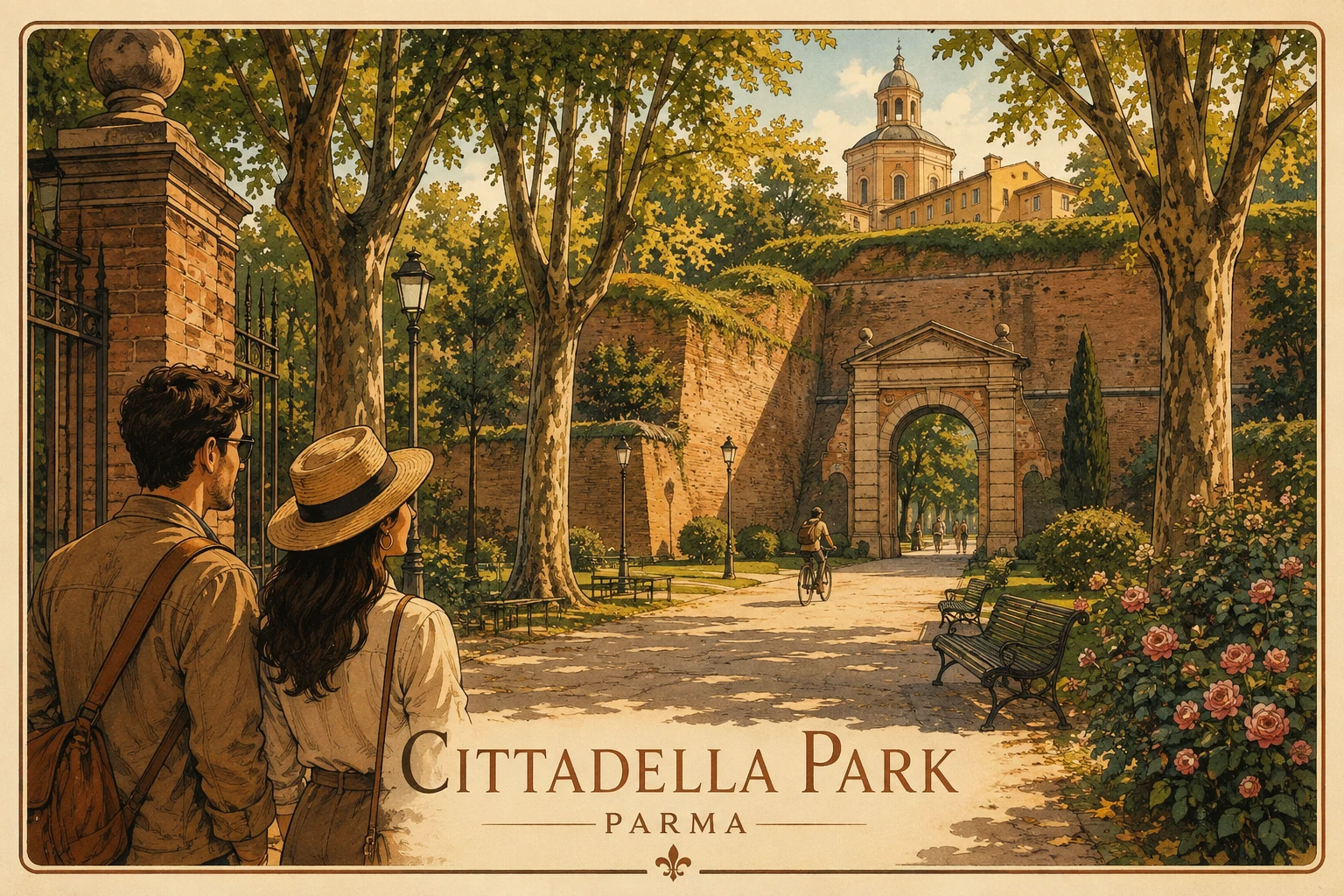
Instead: Add Parco Ducale, Cittadella Park, or slower side streets.
Historic centers can involve ZTL restrictions and stressful navigation.
Instead: Park outside restricted areas or rely on trains, walking, and organized tours.